
How to Promote an Event in the Last Two Weeks
Most tickets sell in the final fortnight. Here is the sequence that works when the announcement buzz has faded and the door date is close enough to feel real.
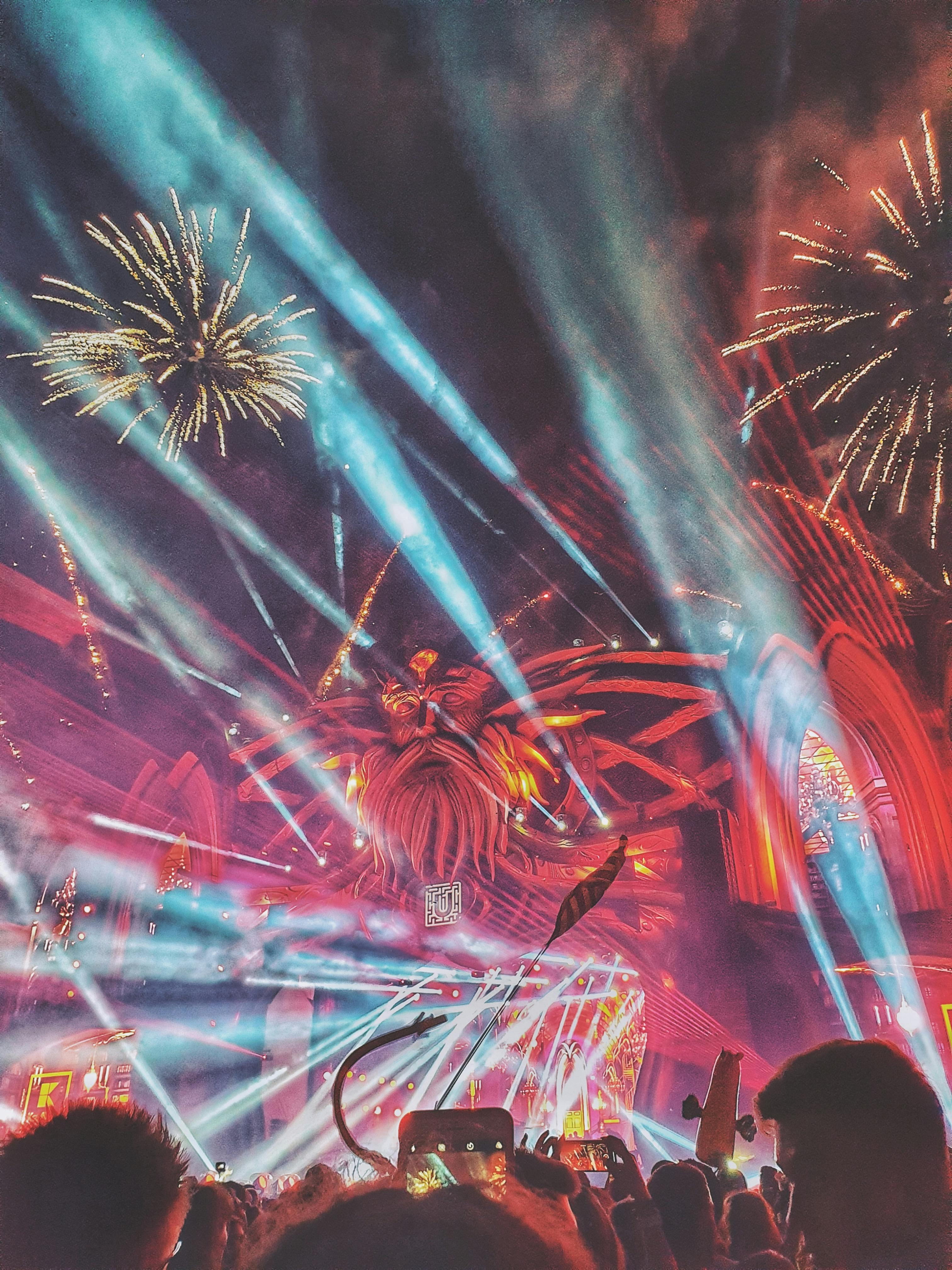
Ticket sales for most events follow the same shape: a spike at announcement, a long flat middle that terrifies first-time organisers, and a steep rise in the final ten days. The middle is not a failure. It is how people buy. The work in the last fortnight is to convert an audience that has already decided they are interested but has not yet decided they are going.
Why late buyers are different
Someone buying two months out is buying an idea. Someone buying four days out is making a concrete plan for a specific evening, and the questions blocking them are logistical: what time does it actually start, who else is going, how do I get home, is it worth the journey. Marketing that answers those questions outsells marketing that repeats the announcement.
The sequence
Days 14–10: make it concrete
Publish the details that turn an event into a plan — set times, the running order, the venue layout, transport and parking. This is unglamorous content and it converts better than anything else you will post.
Days 9–6: social proof
Show that other people are going. Repost attendees, publish the number of tickets remaining if the number is flattering, and get whoever is performing to post it themselves. A single post from an act reaches an audience your page cannot.
Days 5–3: scarcity, honestly
If a tier is genuinely close to selling out, say so. If it is not, do not invent it — the audience that catches you exaggerating is the same audience you need for the next event. Real scarcity you can use: the final release of a tier, a fixed cut-off for table bookings, or a price step you announced in advance.
Days 2–0: remove friction
Answer every message. Pin the ticket link to the top of every profile. Post the door time, the address and the ID requirement again — the people buying now have not read anything you posted a week ago.
What to avoid
- The panic discount. It rarely converts late buyers and it permanently teaches your audience to wait.
- Posting only to your own page. Your followers already know. Growth in the final fortnight comes from the performers, the venue and the attendees, not from you.
- Going quiet after a bad day. Sales are lumpy. A flat Tuesday is not a signal.
Measure the right thing
Impressions are not the number. Track tickets sold per day against days remaining, and watch which link source converts. If one channel produced ninety per cent of sales, that is next event's budget decided for you.